
Storefronts, offices, hospitality spaces, corporate interiors, retail programs, wall logos, exterior façades, and branded environments requiring premium dimensional metal signage.
Non-Illuminated 3D Letters & Logos
Fabricated metal letters with dimensional depth and premium architectural finishes.
Non-Illuminated 3D Letters & Logos are fabricated from aluminum or 304 stainless steel with welded faces and returns. Each element is engineered around the artwork, return depth, finish, mounting, and the required architectural presentation.
Build Style
Fabricated metal / non-illuminated
Materials
Aluminum or 304 stainless steel
Support
Quote to production

Production Focus
Designed for accurate fabrication, balanced return depth,
premium finishes, secure stud mounting, and installer-ready files.
Built for
project partners
Signage Companies
Design Firms
Franchise Owners
Corporate Accounts
A solid metal face with fabricated returns creates meaningful depth, crisp shadows, and a refined architectural profile without internal illumination.
Artwork feasibility, stroke width, return depth, material, back configuration, finish, stud locations, spacer depth, wall conditions, shipping, and production requirements.
Technical Specifications
Fabrication data for Non-Illuminated 3D Letters & Logos.
Review fabricated-metal construction, dimensional planning, back configurations, mounting systems, finishes, installation preparation, and quote requirements.
Final specification
Confirmed after artwork review
StyleNon-illuminated fabricated 3D
MaterialsAluminum or 304 stainless steel
Typical Stroke ReviewApproximately 3/8"-3/4"
Return DepthProject-specific; commonly 1/2"-6"
MountingStuds; spacers optional
2 / Core Specs
Primary production specifications.
Final construction depends on the artwork, stroke width, return depth, material, back configuration, finish, mounting, wall conditions, scale, exposure, and installation requirements.
Specification
Planning Standard
Production Notes
Sign Style
Non-Illuminated Fabricated 3D Letters & Logos
Dimensional metal elements fabricated with a face and welded or soldered returns.
Materials
Aluminum or 304 stainless steel
Selected around size, depth, weight, finish, environment, fabrication, and mounting.
Stroke Threshold
Typically approximately 3/8"-3/4"
Engineered per project. Tight corners, deep returns, and small counters may require wider strokes.
Return Depth
Project-specific; commonly approximately 1/2"-6"
Coordinated with height, stroke, material, back configuration, rigidity, handling, and visual profile.
Back Configuration
Open, removable, or closed back
Selected around size, mounting, rigidity, rear visibility, handling, and site conditions.
Fabrication
Precision welded or soldered construction
Faces, returns, seams, corners, and optional backs follow approved artwork and finish specifications.
Mounting
Threaded studs; spacers optional
Stud size, quantity, locations, spacer depth, anchors, and templates are project-specific.
Finishes
Powder coated, painted, brushed, polished, or electroplated
Finish availability depends on metal and project. Face and return finishes can differ when compatible.
Application
Interior or exterior
Finish, seams, backs, hardware, drainage, corrosion protection, and exposure are reviewed.
3 / Size & Depth
Artwork geometry and return depth are engineered together.
Stroke width, counters, corners, overall dimensions, return depth, back configuration, seams, mounting, weight, handling, and finish are reviewed as one system.
Engineering Review StandardTypical stroke feasibility falls around 3/8 inch to 3/4 inch, but every design is reviewed individually. Deeper returns and tighter geometry generally require wider strokes.
Dimensional Review
Project-specific fabricated-metal planning
Key factors that determine the final construction.
Planning Factor
Production Review
Stroke Width
Typically 3/8"-3/4"; final feasibility depends on material, depth, scale, corners, counters, and fabrication access.
Return Depth
Common industry depths can range approximately 1/2"-6", subject to design and production review.
Overall Size
Confirmed from artwork, wall area, viewing distance, handling, freight, and site conditions.
Corners & Counters
Tight geometry may require wider strokes, shallower returns, or artwork adjustment.
Back Configuration
Open, removable, or closed backs are selected around rigidity, appearance, handling, and installation.
Seams & Sections
Large elements may be divided for material limits, welding access, freight, or field assembly.
Stud Locations
Mounting points support the shell, preserve alignment, and match the wall and installer requirements.
Weight & Structure
Material, depth, backs, and size affect hardware, anchors, packaging, lifting, and structural coordination.
Before Final ApprovalStroke, depth, material, back construction, and mounting are confirmed after artwork and site review.
Artwork FeasibilityStroke and geometry are verified
Corners, counters, bridges, seams, and forming access are reviewed.
Depth & ConstructionReturn and back system are selected
Depth, rigidity, weight, mounting, and rear visibility determine the build.
Installation PlanningStuds and site conditions are coordinated
Wall material, anchors, spacers, patterns, access, and handling are confirmed.
1 / Construction
How Non-Illuminated 3D Letters & Logos are fabricated.
The finished appearance remains consistent. Engineering selects the back configuration from the artwork, size, depth, mounting, rigidity, rear visibility, and site conditions.

Non-Illuminated Fabricated Metal
Finished EffectDimensional metal face and returns
Fabricated depth, clean edge transitions, premium finishes, and architectural shadow without internal illumination.
Engineering-Selected ConstructionThree back configurations support different project needs.
Clients do not need to choose the internal build. Engineering confirms it after artwork, mounting, visibility, and handling review.
1 Open Back
2 Removable Back
3 Closed Back
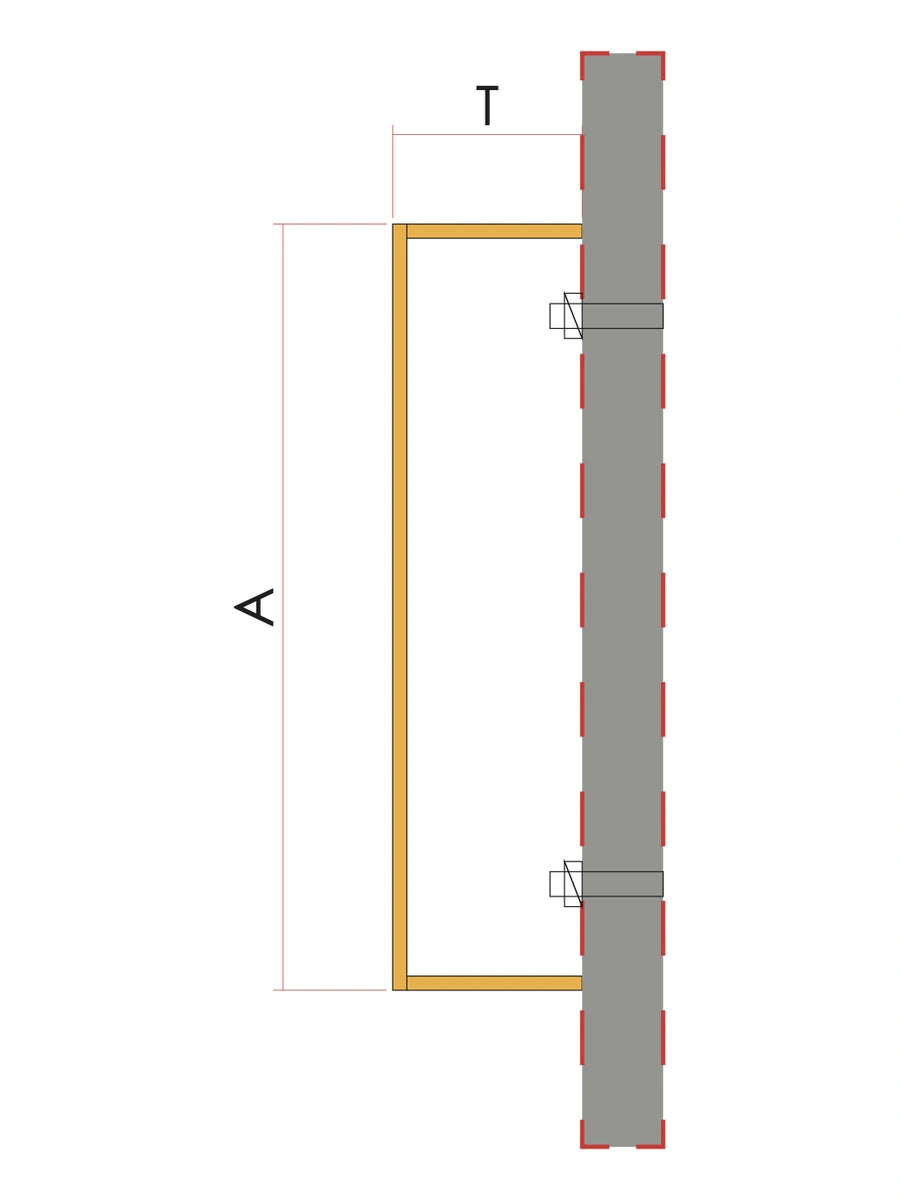
Configuration 1
Open-Back Fabricated 3D Letters
The face and returns form an open rear cavity. This lighter construction provides direct mounting access and is selected when project conditions support an open back.
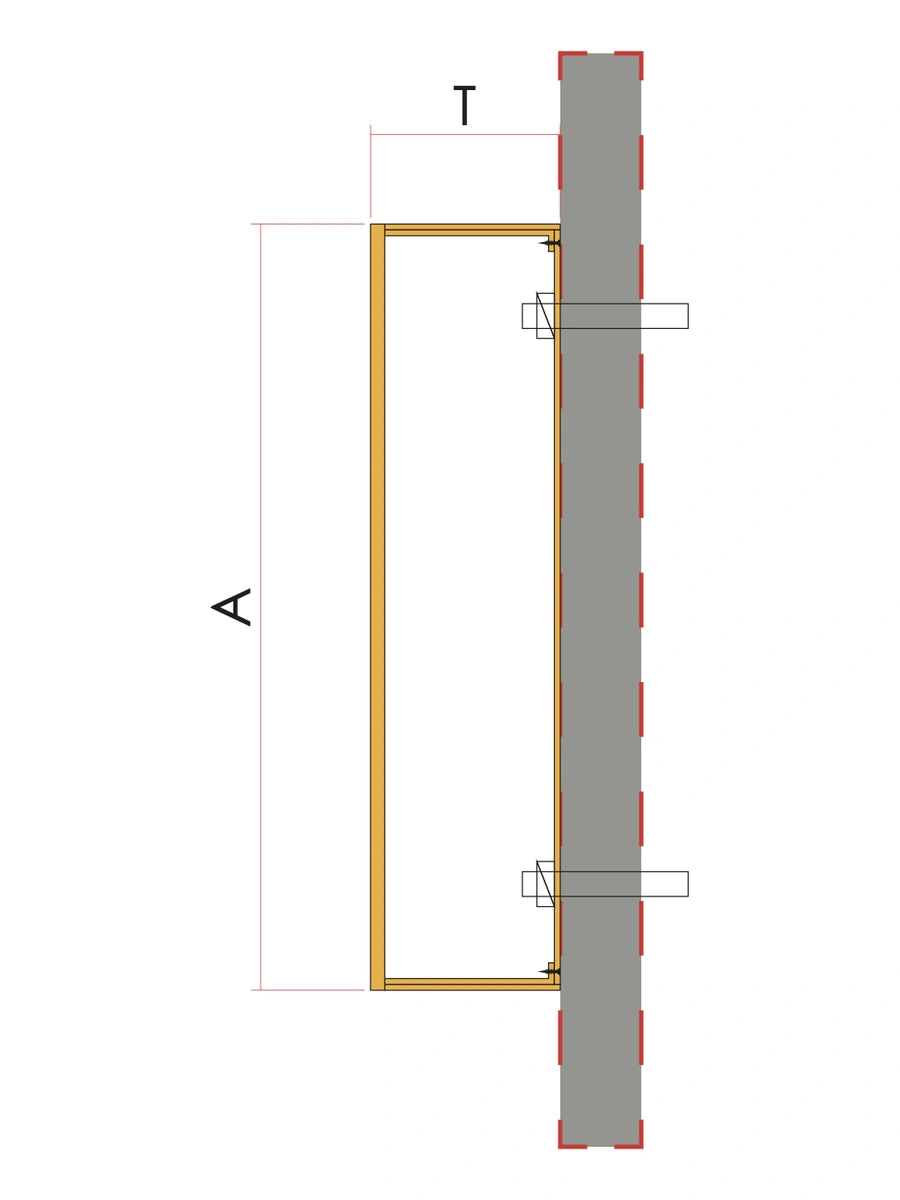
Configuration 2
Removable-Back Fabricated 3D Letters
A mechanically secured rear panel closes the shell while remaining removable, supporting concealed mounting, added rigidity, and cleaner handling.
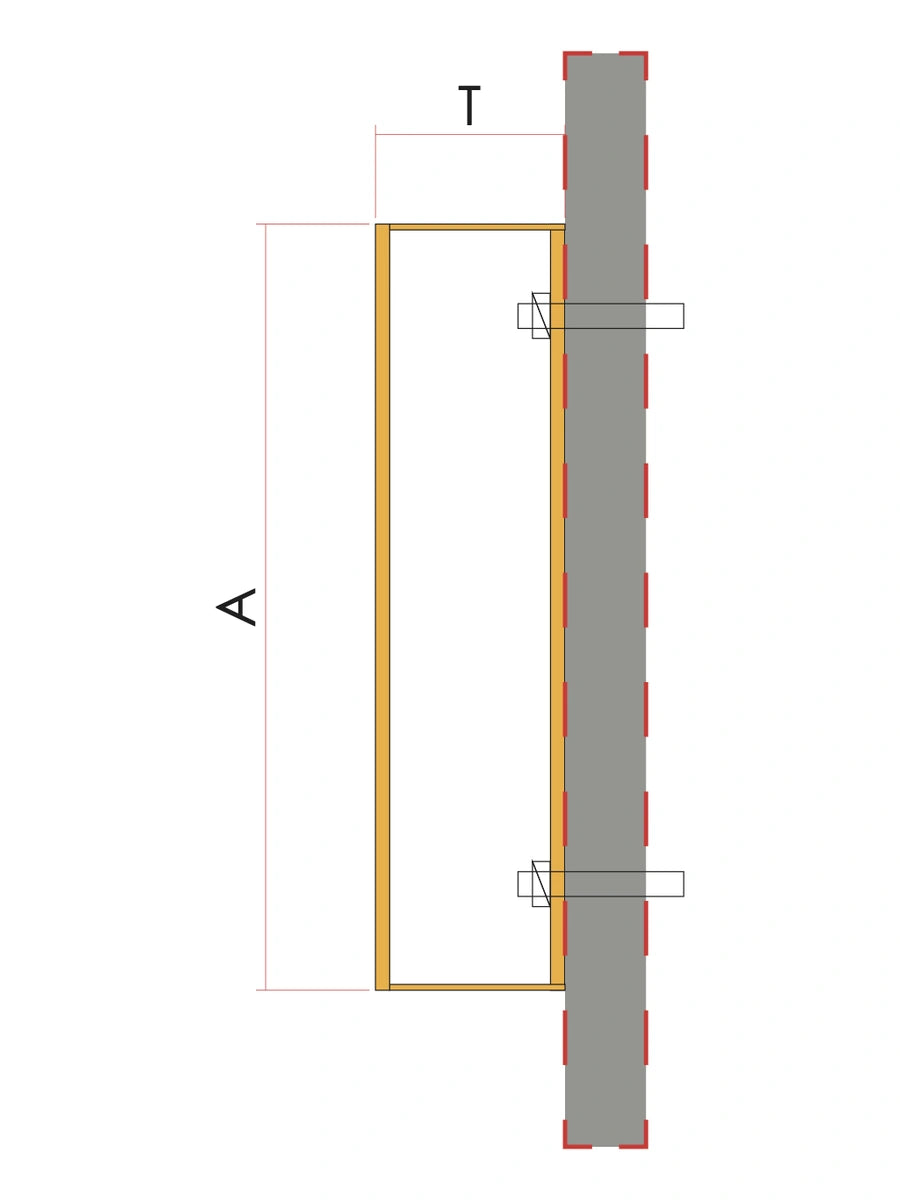
Configuration 3
Closed-Back Fabricated 3D Letters
An integrated rear panel creates an enclosed element for added rigidity, a finished rear condition, controlled handling, or specific mounting requirements.
Construction DetailsPrimary stages used to create installer-ready fabricated metal letters and logos.
1
Artwork ReviewStroke, depth, and geometry verified
Artwork is reviewed for return forming, corners, counters, seams, backs, and mounting access.
2
Metal FabricationAluminum or 304 stainless steel
Faces, returns, and optional backs are cut, formed, welded or soldered, and dressed.
3
Back ConfigurationOpen, removable, or closed
The rear construction is selected around rigidity, mounting, handling, and visibility.
4
FinishPowder coat, paint, metal finish, or electroplating
Faces, returns, seams, and backs are finished to the approved specification.
5
Mounting PreparationStuds, optional spacers, and pattern
Stud locations, hardware, spacer depth, templates, packaging, and notes are finalized.
4 / Mounting
Stud mounting engineered around the letter and wall condition.
Threaded studs are standard. Optional spacers create a controlled offset, stronger shadow, surface clearance, or accommodation for uneven walls.
Primary Mounting SystemThreaded studs with optional spacers
Stud size, quantity, depth, boss construction, and alignment depend on the metal, size, depth, weight, back configuration, wall, and installer.
Stud MountClose-to-wall installation
Threaded studs secure the element directly to the prepared substrate.
Stud Mount with SpacersControlled wall offset
Spacers establish consistent stand-off depth and shadow.
Wall TypeSubstrate-specific anchors
Concrete, masonry, wood, metal panels, drywall, and specialty façades require appropriate backing and anchors.
Stud LocationsDistributed by engineering
Mounting points support alignment and the approved back configuration.
Spacer DepthOptional and project-specific
Length is selected around shadow, wall irregularity, clearance, and exposure.
Installation PatternFull-size placement guide
Patterns identify outlines, baselines, stud holes, spacing, and orientation.
Oversized ElementsAdditional support when required
Large letters may need rails, brackets, tie-backs, lifting plans, or sectional installation.
Installer CoordinationConfirmed before fabrication
Wall preparation, drilling, anchors, sealant, access, and tolerances are documented.
5 / Materials & Finish
Metal and finish selected around appearance, durability, and environment.
Material, face and return finish, back configuration, seams, exposure, mounting, weight, and brand standards are coordinated as one specification.
AluminumLightweight and fabrication-efficient
Well suited to deep returns, large formats, powder coating, custom paint, brushed finishes, and compatible metallic treatments.
304 Stainless SteelPremium architectural metal
Available with brushed, polished, mirror, painted, electroplated, PVD-style, and compatible premium finishes.
Powder CoatingDurable colored finish
Selected around preparation, environment, texture, gloss, and durability.
Painted FinishCustom color matching
Paint can match Pantone/PMS, Sherwin-Williams, physical samples, or architectural references.
Metallic & Electroplated FinishesMaterial-specific premium options
Brushed, polished, mirror, plated, and PVD-style effects are reviewed for compatibility, grain, handling, and exposure.
Mixed Face & Return FinishesCoordinated by project
Faces, returns, and optional backs can use different approved colors or finishes when compatible.
6 / Quote Prep
Information required for an accurate quote.
Core details help confirm artwork feasibility, depth, material, finish, back construction, mounting, pricing, freight, and lead time.
Best Starting PointSend the artwork.
Vector artwork lets us review stroke feasibility, return forming, counters, seams, depth, backs, and mounting.
Initial Review Covers
1Artwork and stroke feasibility
2Material, depth, and finish
3Back configuration and mounting
ArtworkAI, EPS, SVG, or PDF
Vector files are preferred for accurate review.
Overall SizeWidth and letter height
Send target dimensions, wall area, and brand drawings.
Return DepthDesired dimensional profile
Provide a preferred depth when known; engineering verifies feasibility.
MaterialAluminum or 304 stainless steel
Provide the preferred material or desired weight, exposure, and appearance.
FinishPowder coat, paint, metal, or electroplated reference
Provide Pantone/PMS, Sherwin-Williams, sample, gloss, grain, or plated references.
MountingStuds with optional spacers
Provide wall material, preferred offset, site photos, access, and installer notes.
Mounting & Installation PlanningConfirm wall, hardware, access, and installation method before production.
Wall & StructureConstruction and backing
Provide wall material, support, concealed conditions, and access.
Hardware & PatternStuds, spacers, and alignment
Confirm offset, pattern, anchors, and installer expectations.
Shipping & HandlingPackaging and sectional needs
Provide delivery, lifting, sequence, and oversized-element restrictions.