
Premium storefronts, lobby signs, hospitality spaces, franchise rollouts, corporate interiors, retail environments, and branded commercial projects requiring both face and halo light.
Trimless Dual-lit Channel Letters
Seamless front illumination with a refined rear halo.
Trimless Dual-lit Channel Letters combine a clean, borderless illuminated face with controlled rear halo lighting. Three internal LED configurations allow the build to be matched to the artwork, letter depth, service access, and required lighting output.
Lighting Style
Front-lit + rear halo
Internal Systems
Three configurations
Support
Quote to production

Production Focus
Designed for balanced face brightness, controlled halo output,
clean approvals, and installer-ready production documentation.
Built for
project partners
Signage Companies
Design Firms
Franchise Owners
Corporate Accounts
A bright trimless face paired with a soft rear halo, creating a dimensional illuminated effect while preserving a clean, borderless front appearance.
Artwork feasibility, internal LED configuration, letter depth, face construction, return material, halo spacing, LED color, mounting, wiring exits, power, shipping, and production requirements.
Technical Specifications
Fabrication data for Trimless Dual-lit Channel Letters.
Review the three internal lighting systems, dimensional planning, front and rear illumination, materials, mounting, service access, and quote requirements.
Final specification
Confirmed after artwork review
IlluminationFront-lit + rear halo
Internal SystemsThree configurations
Face StyleClean trimless face
MountingOffset / standoff
Project ReviewArtwork to production
2 / Core Specs
Primary production specifications.
Final construction depends on the approved artwork, selected internal LED system, finished size, stroke width, return depth, halo spacing, wall conditions, lighting, and service requirements.
Specification
Planning Standard
Production Notes
Letter Style
Trimless Dual-lit Channel Letters
Direct face illumination with rear halo lighting.
Internal Systems
Dual-Array, Center-Spine, or Rear-Carrier
Selected after artwork, depth, output, and service review.
Face
Trimless translucent illuminated face
Face construction and graphics are confirmed around brightness and finished appearance.
Rear Halo
Controlled wall illumination
Wall color, texture, reflectivity, offset, and LED layout affect the finished halo.
Returns
Aluminum or 304 stainless steel
Selected around structure, weight, environment, finish, and fabrication requirements.
Return Depth
Per shared depth-to-stroke matrix
The selected return depth must be paired with the corresponding approved stroke-width range shown in Size & Depth.
Wall Offset
Project-specific standoff
Coordinated with halo spread, wall surface, mounting hardware, and installation access.
LED Color
3500K-6500K white or RGBW
Front and rear channels can be coordinated or separately specified when compatible.
Electrical
Project-specific power and control
Power supplies, controllers, circuits, wire exits, and service access are reviewed before fabrication.
Application
Interior or exterior
Exterior projects require project-specific sealing, drainage, wiring protection, and finish review.
3 / Size & Depth
Shared depth-to-stroke standard for all three systems.
Dual-Array, Center-Spine, and Rear-Carrier Trimless Dual-lit Channel Letters use the same dimensional relationship. Select the return depth first, then confirm that the approved artwork provides the corresponding stroke width.
Critical Planning Rule
Return depth and stroke width are paired requirements.
Both dimensions must remain within the same approved matrix row.
Shared Sizing Matrix
Return depth to stroke width
Applies to Dual-Array, Center-Spine, and Rear-Carrier Trimless Dual-lit Channel Letters.
Return Depth
Required Stroke Width Range
1-1/4" ≤ depth ≤ 2"
3/8" ≤ stroke ≤ 3/4"
1.57" ≤ depth ≤ 3.15"
3/4" ≤ stroke ≤ 2.36"
2.36" ≤ depth ≤ 4"
2.36" ≤ stroke ≤ 3.15"
3.15" ≤ depth ≤ 5.9"
3.15" ≤ stroke ≤ 4.7"
Applies To
Dual-Array, Center-Spine, and Rear-Carrier systems
Artwork Geometry
Stroke width is verified
Narrow strokes, tight corners, and small counters can limit the available return depth, internal carrier placement, and LED spacing.
Internal System
Selected after dimensional review
The shared matrix establishes the allowable proportions. The internal LED configuration is then selected around geometry, output, wiring, structure, and service access.
Final Approval
Confirmed before fabrication
Return depth, stroke width, internal system, wall offset, mounting, power, and service access are finalized during production review.
1 / Construction
Three internal systems for the same trimless dual-lit effect.
Each configuration produces an illuminated trimless face and rear halo. The difference is how the LED assemblies are positioned and serviced inside the letter body.
System 1
Dual-Array Trimless Dual-lit Channel Letters
Separate front-facing and rear-facing LED arrays provide dedicated illumination for the trimless face and rear halo.
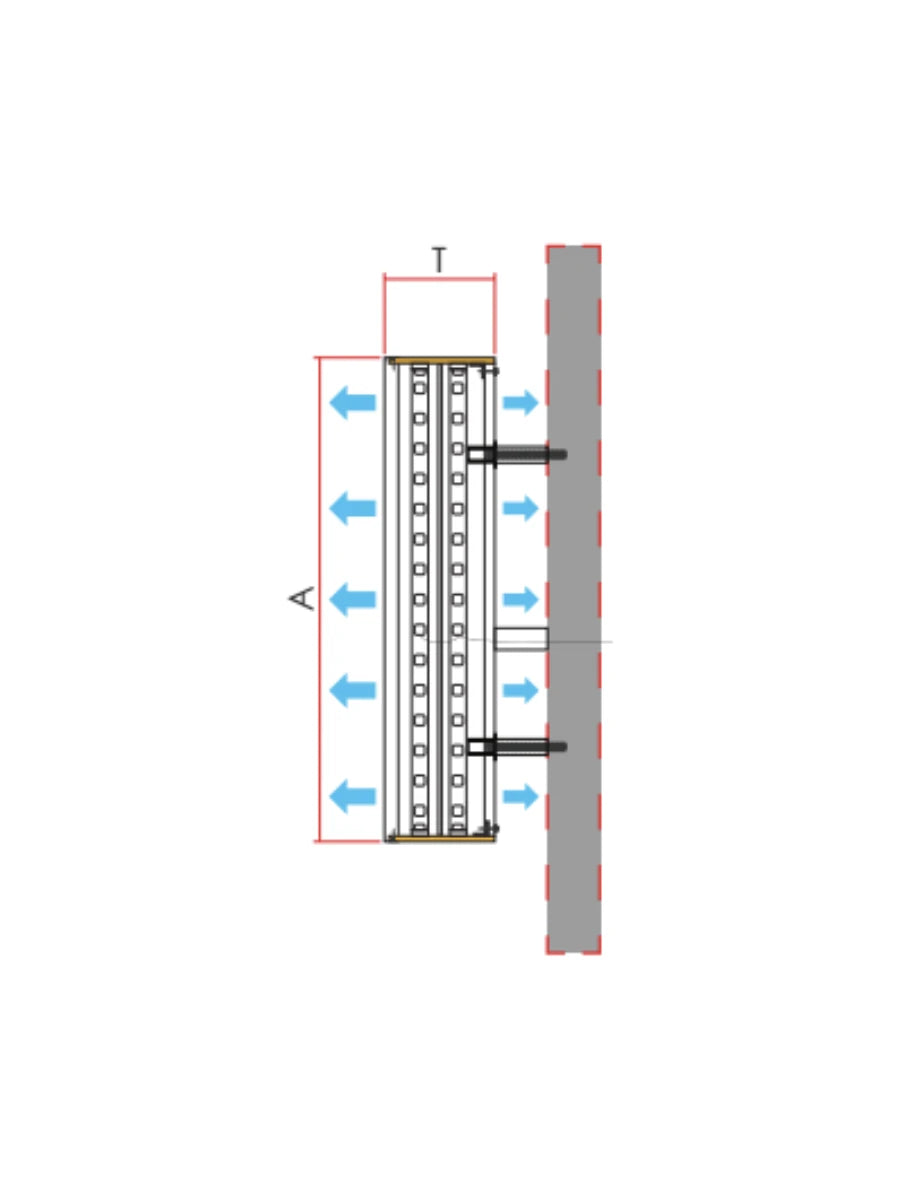
Cross SectionSeparate front and rear arrays
Dedicated lighting planes support individual face and halo planning.

System 1 · Dual-Array
Finished EffectFinished Dual-Array appearance
The finished exterior appearance is shared across all three systems. The technical difference is the internal LED arrangement.
LED LayoutTwo dedicated arrays
EffectFace + rear halo
SelectionArtwork-led review
System 2
Center-Spine Trimless Dual-lit Channel Letters
A centrally positioned carrier supports front and rear illumination from one organized internal assembly.
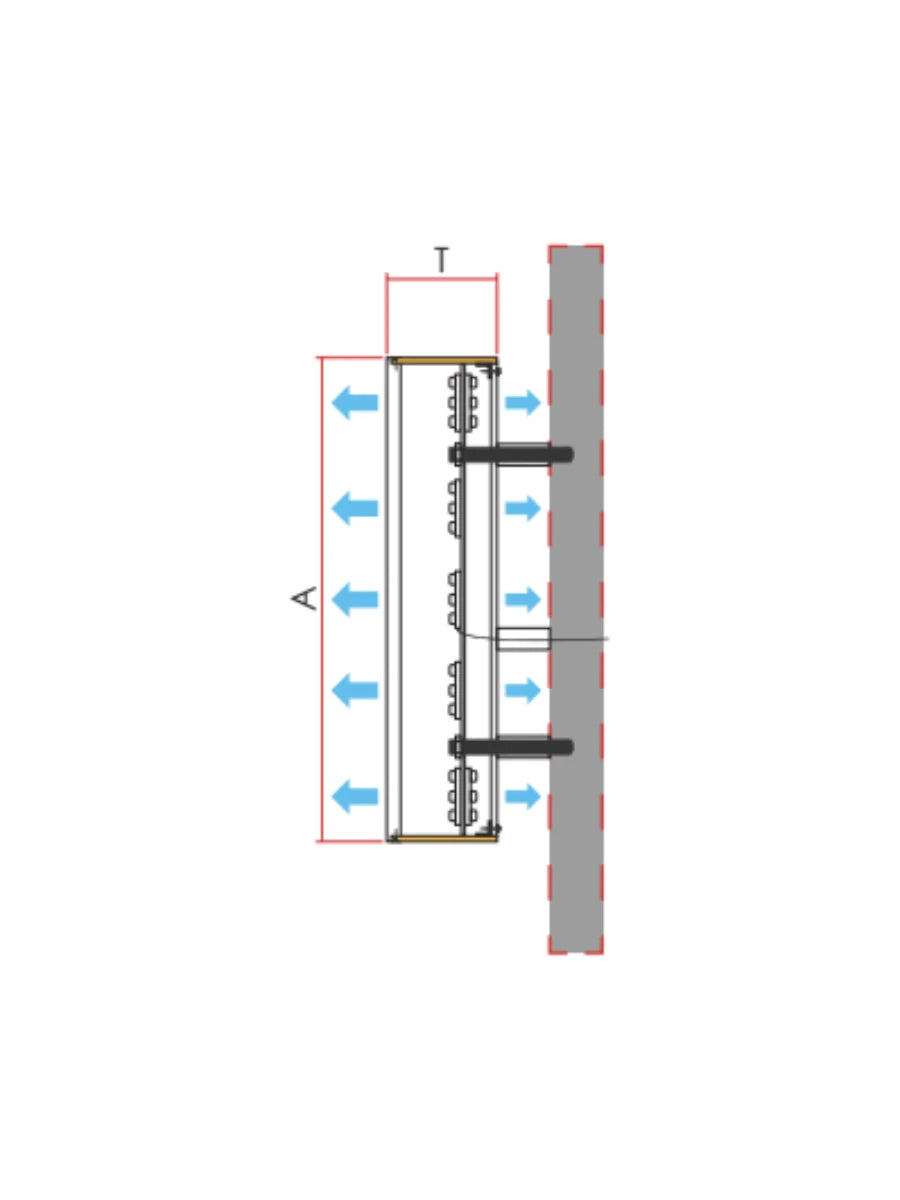
Cross SectionCentral lighting carrier
The center assembly organizes both lighting directions and wiring.
System 2 · Center-Spine
Finished EffectFinished Center-Spine appearance
The same trimless face and rear halo are maintained while the internal lighting is organized around a central carrier.
LED LayoutCenter carrier
EffectFace + rear halo
SelectionGeometry-led review
System 3
Rear-Carrier Trimless Dual-lit Channel Letters
The primary carrier is positioned toward the rear mounting side, coordinating face illumination with halo output.
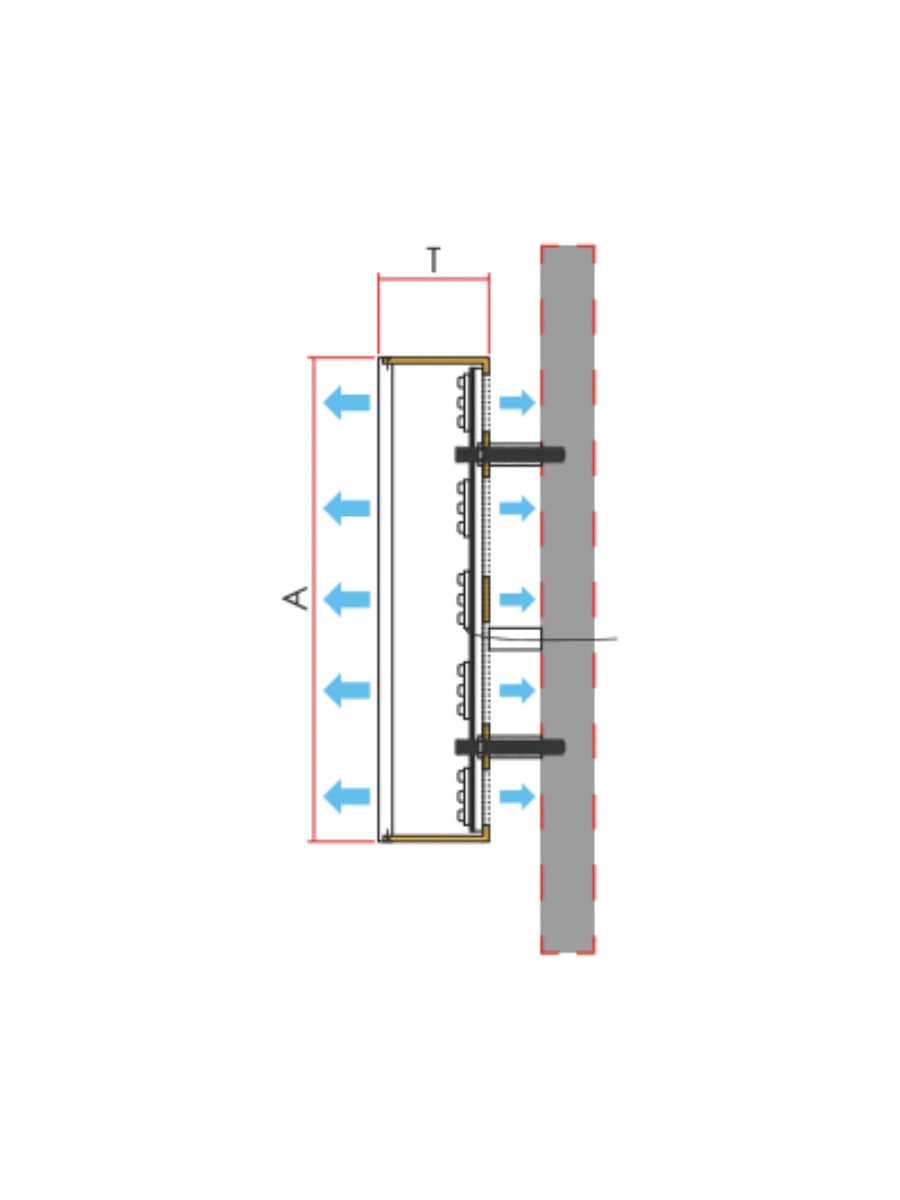
Cross SectionRear-positioned carrier
Carrier location is reviewed around face throw, halo clearance, mounting, and service.
System 3 · Rear-Carrier
Finished EffectFinished Rear-Carrier appearance
The finished face and halo remain consistent while the internal carrier is positioned closer to the rear mounting side.
LED LayoutRear carrier
EffectFace + rear halo
SelectionDepth-led review
Shared Construction DetailsCore components used across all three systems.
1
Trimless FaceTranslucent illuminated face
Provides direct front illumination without a visible trim-cap perimeter.
2
LED CarrierSystem-specific internal assembly
Selected from the Dual-Array, Center-Spine, or Rear-Carrier configuration.
3
ReturnsAluminum or 304 stainless steel
Provide structure, depth, and the project-specific exterior finish.
4
Rear HaloOffset wall illumination
Rear lighting, wall clearance, wall surface, and hardware are coordinated together.
5
InstallationStandoff or project-specific mounting
Mounting, wire exits, power access, wall construction, and service requirements are confirmed before fabrication.
4 / Lighting
Coordinated face illumination and rear halo output.
Choose fixed white illumination from 3500K to 6500K or an RGBW color-changing system. Front and rear output, wall conditions, power, controls, wiring, and service access are reviewed together.
Two-Direction LightingFront face + rear halo
The selected internal system determines how LEDs, carriers, wiring, and service paths are organized.
Front BrightnessBalanced face illumination
Face transmission, return depth, stroke width, and LED spacing affect output.
Rear HaloWall-dependent spread
Wall color, texture, reflectivity, and letter offset affect the halo.
Color CoordinationMatched or separately specified
Front and rear colors can be coordinated or planned separately when compatible.
System SelectionLED arrangement by geometry
Internal layout is selected around depth, stroke width, output, and access.
Power & ControlsLoad and access planned
Power supplies, controllers, dimming, circuit separation, and service access are confirmed.
Wiring & ServiceConfirmed before fabrication
Wire exits, wall penetrations, mounting hardware, and installer notes are documented early.
5 / Materials & Finish
Materials selected around two-direction illumination and brand standards.
Face construction, returns, rear diffusion, finish, wall environment, mounting, and lighting are coordinated as one system.
Trimless FaceTranslucent acrylic or approved epoxy-resin face
Selected around brightness, graphics, geometry, and finished appearance.
ReturnsAluminum or 304 stainless steel
Selected around structure, weight, environment, fabrication, and finish.
Rear DiffusionAcrylic or polycarbonate component
Selected around halo output, durability, geometry, and service requirements.
Exterior FinishPMS paint, brushed, polished, or custom
Availability depends on return material, geometry, scale, and environment.
Interior FinishReflective white coating
Improves LED reflection, brightness, and distribution across both lighting zones.
Mounting HardwareProject-specific standoffs and fasteners
Coordinated with wall construction, halo spacing, loads, and installer requirements.
6 / Quote Prep
Information required for an accurate quote.
Core project details help confirm system feasibility, pricing, lighting, mounting, production requirements, and lead time.
Best Starting PointSend the artwork.
Vector artwork lets us review stroke width, depth, carrier options, LED placement, halo spacing, and feasibility.
Initial Review Covers
1Artwork and depth feasibility
2Internal system selection
3Halo, mounting, and electrical planning
ArtworkAI, EPS, SVG, or PDF
Vector files are preferred for production review.
SizeWidth or letter height
Send overall width, target height, wall area, or brand drawings.
Internal SystemSystem 1, 2, 3, or review
Provide a preference when known; final selection is production-confirmed.
Lighting & FinishFace color, halo color, and return finish
Provide white or RGBW requirements, PMS references, and split-color preferences.
Install LocationWall type and site photos
Include wall color, texture, material, access, and mounting area.
Halo ClearanceOffset and wall conditions
Provide the proposed standoff distance or installer requirements when available.
Electrical & Installation PlanningConfirm lighting, mounting, and service details before production.
Power & ControlsLocation and access
Provide power-supply or controller location and available power.
Wire ExitsFront and rear routing
Confirm wall penetrations, circuit routing, and installer notes.
Mounting & HaloStandoff and hardware planning
Include wall construction, loads, halo spacing, and access limits.